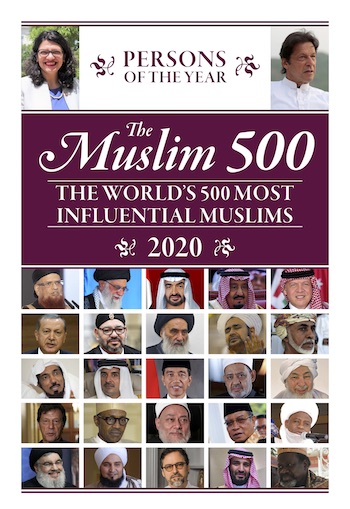
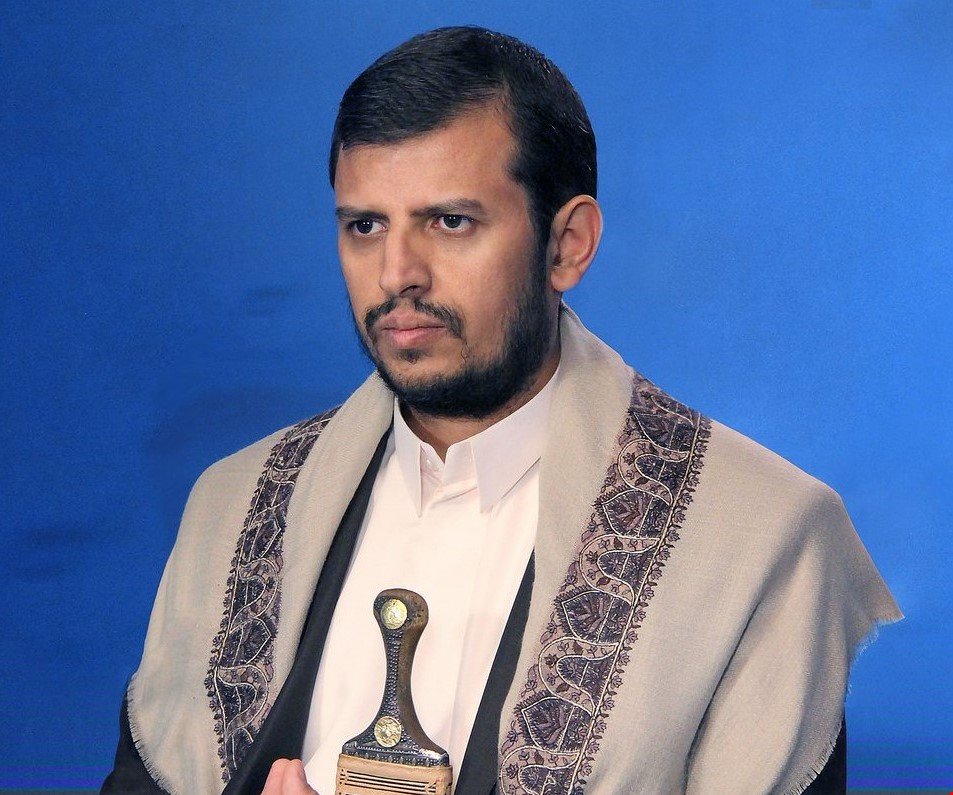
Sheikh Abdul-Malik al-Houthi is the supreme leader of the Houthi political, religious, and militant movement, known officially as Ansar Allah (“Supporters of God”). Under his leadership, the Houthis have consolidated their position as the de facto governing authority in northern Yemen and a formidable player in regional geopolitics.
The Zaydi Identity: The Zaydis, also known as "Fiver Shi’ism," are a branch of Shia Islam that originated in the 8th century following a succession dispute. Their doctrine emphasizes the need for an active and just imam—a descendant of the Prophet Muhammad ﷺ through his grandsons Hasan or Husayn—who is willing to directly confront corrupt or tyrannical rulers. Centered historically in the Saada governorate, Zaydis form roughly 35% of Yemen’s population (amounting to 12 million people), traditionally advocating for social justice and fiercely resisting foreign intervention. While classified as a branch of Shia Islam, Zaydi jurisprudence is closer in many of its practical aspects to Sunni Islam than to Twelver Shia schools.
Origins of the Houthi Movement: The Houthi movement was founded in the early 1990s by Hussein Badr al-Din al-Houthi, Abdul-Malik’s elder brother, who was a prominent Zaydi scholar and an outspoken critic of foreign Wahhabi influence and the central Yemeni government. The Zaydis had ruled much of Yemen for over a thousand years until the republican revolution of 1962. Initially established as a revivalist religious and cultural movement to protect Zaydi heritage, the Houthis transformed into an armed political and military force following a series of brutal wars with the central government throughout the 2000s.
Taking Yemen: Abdul-Malik al-Houthi assumed absolute command of the movement following his brother’s death in battle in 2004. He masterfully consolidated power during the 2011 Arab Spring uprisings, seizing complete control of the northern Saada and Jawf provinces. In September 2014, his forces stormed the capital city of Sana’a, capturing key government ministries, broadcasting networks, and major military installations. During their expansion, Houthi forces systematically targeted and expelled remnants of Al-Qaeda in the Arabian Peninsula (AQAP) from the regions they seized.
The Coalition Campaign and the Humanitarian Crisis: In March 2015, a Saudi-led military coalition, backed by Western intelligence and regional allies, launched a large-scale intervention against the Houthis, seeking to roll back their territorial gains and restore the internationally recognized government to power. The subsequent multi-year war resulted in more than 150,000 direct combat fatalities and contributed to over 200,000 additional deaths from forced blockades, famine, and total infrastructure collapse. The conflict left nearly 70% of Yemen’s population—over 27 million people—entirely dependent on international humanitarian aid, and triggering unprecedented cholera outbreaks. Despite the destruction, the Houthis maintained control over much of northern Yemen, including the capital, while expanding their domestic military resilience, drone capabilities, and ballistic missile manufacturing.
Maritime Blockades, Gaza Solidarity, and the Iranian Alliance: Al-Houthi initiated his movement’s maritime campaign first and foremost as an explicit anti-genocide action, framing the naval blockade at the Bab al-Mandab strait as a moral and legal duty to protect civilians in Gaza after global institutions failed to intervene. Using advanced drones and hypersonic missiles, this campaign systematically choked shipping linked to Israel, successfully crippling 80% of trade at its southern port of Eilat. To sustain this strategic power projection, Ansar Allah deeply aligned its operations with Iran’s regional network, coordinating closely with Tehran to expand its reach beyond Yemen’s borders.
This maritime campaign rapidly expanded into a direct confrontation with Saudi Arabia, functioning as a direct extension of Yemen’s decade-long war against the Saudi-led coalition. When wider regional warfare closed the Strait of Hormuz, forcing the Saudis to reroute their crude oil through Red Sea ports, the Houthis retaliated against what they termed years of Saudi bombardment and economic siege by declaring a counter-blockade on Saudi shipping. Concurrently, the group ended a four-year domestic calm by launching strikes that killed over 30 Saudi-backed government soldiers. Despite retaliatory USA, British, and Israeli airstrikes, al-Houthi’s operations have successfully granted his movement a powerful veto over global energy and maritime corridors.