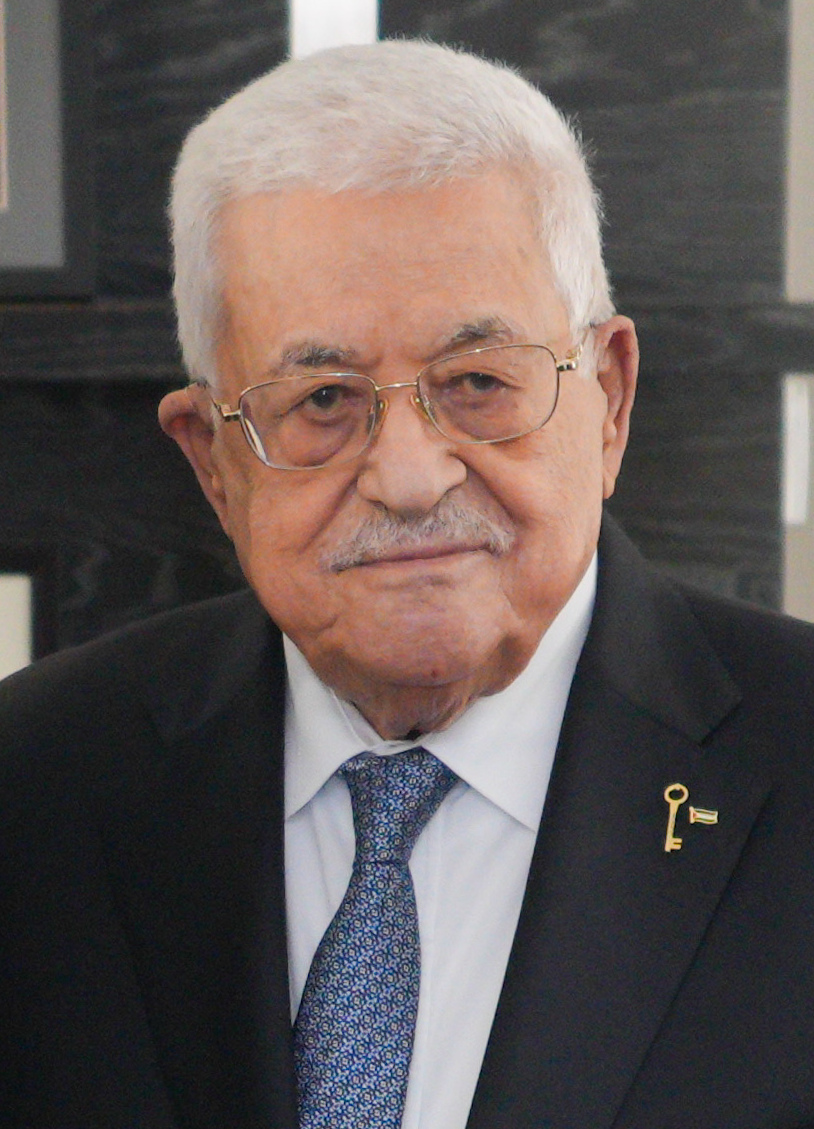
President Mahmoud Abbas, known as Abu Mazen, is the President of the PNA and Chairman of the PLO. A co-founder of Fatah, he was a key architect of the 1993 Oslo Accords and was unanimously re-elected as the leader of Fatah on 14 May 2026.
West Bank Crises: The PNA faces crippling financial and operational limits in the occupied West Bank amid ongoing settlement expansion and settler violence. Abbas’s deputy, Hussein al-Sheikh, condemned Israel’s transfer of West Bank policing powers from the military to civilian police, calling it a step toward de facto land annexation.
Response to the Gaza Genocide and Unification: Abbas strongly maintains that "there can be no Palestinian state without Gaza". Following Hamas’s decision to dissolve its local governing authority, Abbas has engaged in high-level diplomacy—including talks with President Recep Tayyip Erdoğan—to secure Gaza’s integration into a unified state.
Virtual UNGA Address: During the 81st session of the United Nations General Assembly on 24 September 2026, Abbas delivered a historic address via a pre-recorded video link from Ramallah after the United States government had denied entry visas to the Palestinian delegation for the second consecutive year. In his speech, he warned that current occupation policies threaten the very existence of the Palestinian people in their homeland.
Global Recognition: The State of Palestine is now formally recognized by 157 of the 193 UN member states (around 81%). This follows a significant shift in international consensus marked by coordinated, formal recognitions from several major Western countries.